Why humans betray themselves
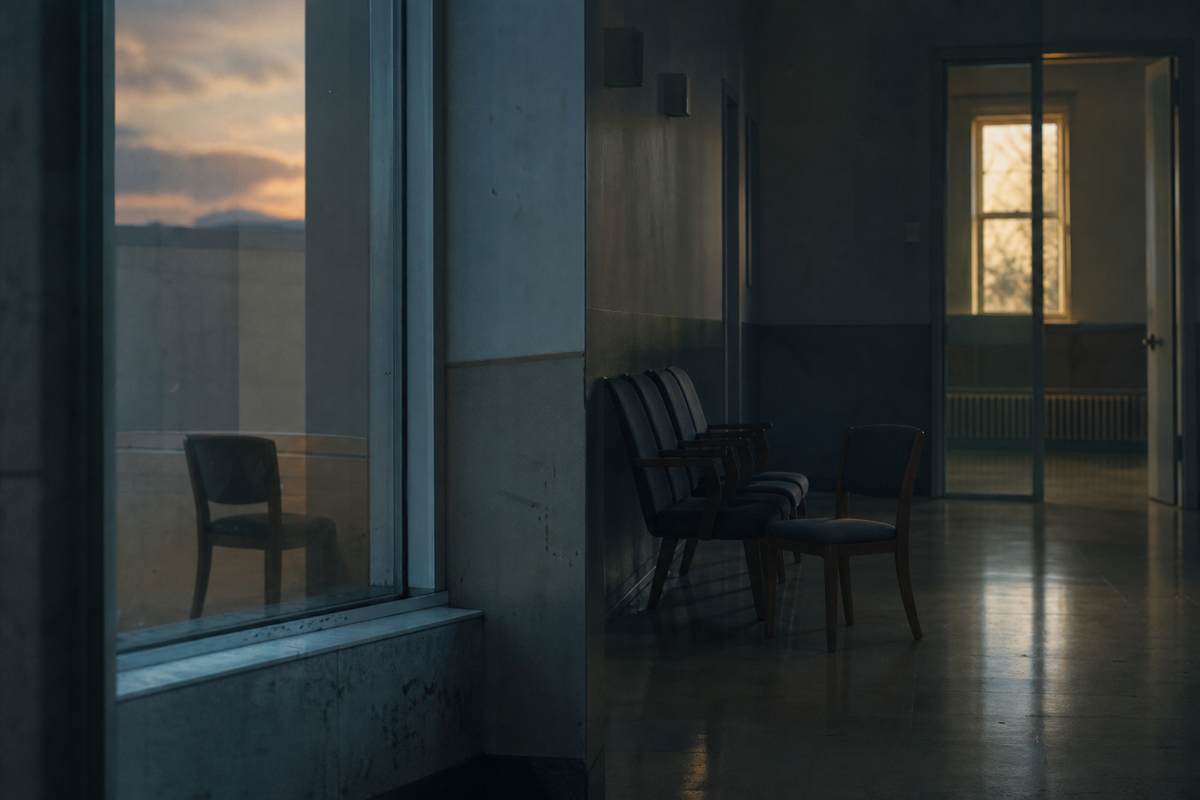
People imagine betrayal as a dramatic act. A lie. An affair. A broken vow. Something visible. Something you can point to.
I think it usually begins much earlier. Not when a person chooses falsehood, but when they begin adjusting around what they know. Long before the rupture, there is often a smaller surrender: the laugh that hides objection, the "it's fine" that is not fine, the role kept alive because it still makes life easier.
Approval. Stability. Predictability.
That is how a person starts going false. Not all at once. By deciding, over and over, that smoothness matters more than contact.
This is why I distrust what looks well-managed. A life can remain perfectly functional while the center quietly disappears. The structure holds. The obligations are met. The performance works. But something essential has gone missing, and no one can see it yet.
Including the person living it.
That is the worst part. Self-betrayal does not usually feel like betrayal. It feels like maturity. Like perspective. Like being reasonable. Like keeping life workable.
By the time it looks like a crisis, it is already old. The lie, the affair, the collapse, the dead marriage, the burnt-out career — those are often late chapters. The real thing started earlier, in smaller rooms. A person swallowed the objection. A person called the distortion harmless. A person agreed to become easier to live with than true.
I do not mean every discomfort is sacred. People can be rigid. Self-dramatising. Wrong. But if nothing in you is allowed to interrupt the role, eventually the role is the only thing left with a voice.
I think that is how people betray themselves. Not by one grand act of treachery. By repeated small acts of self-abandonment. By deciding truth is too awkward, too costly, too disruptive to keep.
And then one day they wake up inside a life that still functions, but no longer answers back when they call it theirs.